
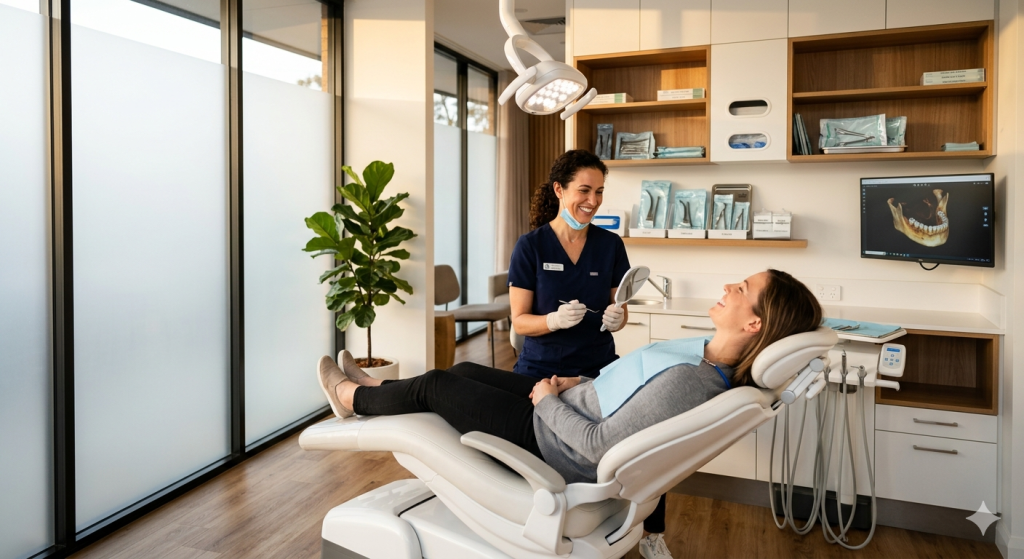
Thinking about a smile makeover in North Las Vegas? You’ll find options that combine cosmetic and restorative dentistry—teeth whitening, veneers, bonding, braces or clear aligners, crowns, implants, and gum contouring—to address appearance, alignment, and function so you can feel confident again.
A customized plan from an experienced North Las Vegas practice can transform how your smile looks and works while focusing on comfort and long-term oral health.
They explain each step clearly, weigh cosmetic and restorative choices, and consider your bite and gum health so treatments look natural and last. Explore which procedures fit your goals, financing, and timeline to start a comfortable, well-informed smile journey.
What Is a Smile Makeover?
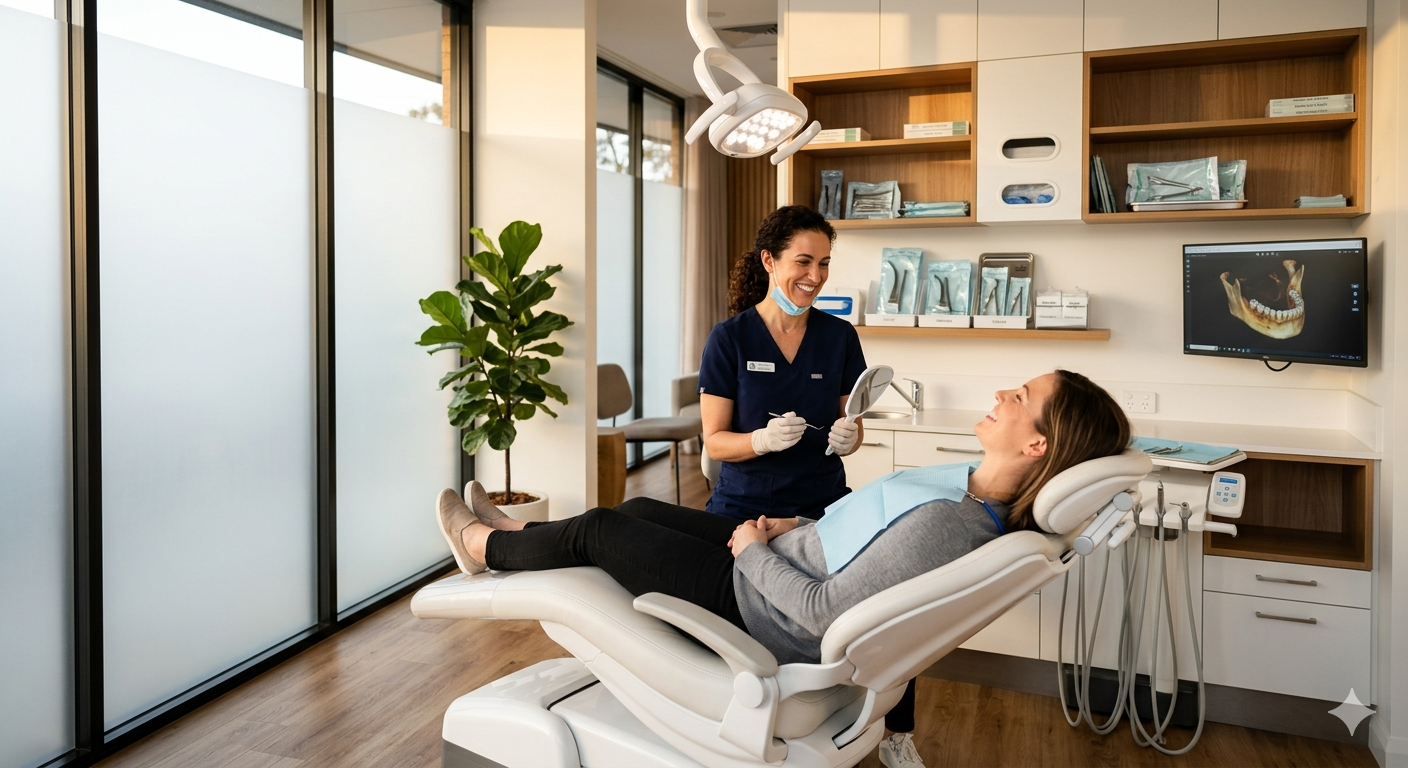
A smile makeover combines cosmetic and restorative dental procedures to improve the appearance and function of the teeth and gums. It targets specific concerns—color, shape, alignment, bite, and missing teeth—using tailored treatments rather than a one-size-fits-all approach.
Common Reasons Patients Seek Smile Enhancements
Patients often pursue smile enhancements to correct visible staining, chipped or worn teeth, uneven spacing, or missing teeth that affect chewing and confidence. Brightening with professional teeth whitening addresses surface and intrinsic stains caused by coffee, tobacco, or aging.
Many choose porcelain veneers or composite bonding to reshape teeth, close gaps, and hide chips. Orthodontic options like clear aligners correct crowding and bite issues while maintaining a discreet appearance during treatment. Dental implants or fixed bridges replace missing teeth to restore chewing efficiency and prevent bone loss.
Gum contouring treats a “gummy” smile or uneven gum line, improving symmetry. Patients with functional problems, such as worn enamel from grinding, may receive full-mouth rehabilitation involving crowns and bite adjustments. Comfort, durability, and a natural look guide treatment choices.
Personalizing Your Treatment Plan
The dentist evaluates dental health, bite relationships, gum condition, and aesthetic goals during the initial consultation. This includes digital photos, X-rays, intraoral scans, and sometimes a study model to plan precise changes.
Treatment plans combine elective and restorative procedures prioritized by health needs and desired appearance. For example, a patient with decay and discoloration might begin with fillings and whitening, then proceed to veneers or crowns for final shape. The plan accounts for timing, budget, and maintenance: some steps like whitening require periodic touch-ups.
Clinicians discuss materials (porcelain vs. composite), longevity, and recovery expectations so patients understand trade-offs. A mock-up or digital smile design often previews results, letting patients approve shape and color before irreversible work begins.
Expected Outcomes of Smile Improvements
Patients can expect improved tooth color, alignment, and proportion that harmonize with facial features and lip dynamics. Cosmetic changes typically increase confidence, which studies and patient feedback commonly report as a meaningful benefit.
Functionally, restoring missing or worn teeth enhances chewing, reduces abnormal wear, and stabilizes the bite. Properly placed implants and well-fitted crowns distribute forces evenly, lowering the risk of future fractures or shifting.
Maintenance varies: whitening may need touch-ups every 1–3 years, veneers can last 10–15 years with good care, and implants often last decades with proper hygiene. The dentist provides personalized home-care tips and follow-up schedules to protect the investment and oral health.
Cosmetic Dentistry Procedures for a Brighter Smile
Patients can choose noninvasive to more transformative options depending on stain type, tooth shape concerns, and budget. Treatments range from in-office whitening that lifts deep stains to veneers that reshape and mask multiple cosmetic issues at once.
Teeth Whitening Options in North Las Vegas
Office whitening uses higher-concentration peroxide gels and often a light accelerator to brighten teeth 6–10 shades in a single 60–90 minute visit. This is ideal for tetracycline or nicotine stains that don’t respond well to over‑the‑counter strips.
Take‑home kits from a dentist combine custom trays with professional‑strength gel; they require daily wear for 1–2 weeks and keep results longer with occasional touch-ups.
Over‑the‑counter strips and whitening toothpaste can help mild surface stains but won’t change deep intrinsic discoloration.
Patients with sensitive teeth should discuss formulations with desensitizing agents and a staged approach to reduce sensitivity during treatment.
Porcelain Veneers and Lumineers
Porcelain veneers are ultra-thin ceramic shells bonded to the front of teeth to correct color, chip, spacing, and minor alignment issues.
The typical process involves a consultation, minimal enamel preparation (often 0.3–0.7 mm), digital impressions, and placement 1–3 weeks later. Results last 10–15 years with good oral hygiene and routine dental visits.
Lumineers are a brand of ultra‑thin veneers that sometimes require little to no tooth reduction, making them reversible in some cases.
Both options demand healthy gums and decay‑free teeth beforehand; patients should plan for possible replacement and discuss shade matching and bite adjustments with the dentist.
Cosmetic Dental Bonding
Dental bonding uses tooth‑colored composite resin to repair chips, close small gaps, or reshape teeth in a single visit.
The dentist roughens the enamel, applies bonding agent, sculpts the resin, then cures it with a light; the entire procedure often takes 30–60 minutes per tooth.
Bonding is more affordable than veneers but may stain over time and typically lasts 4–8 years depending on wear and diet.
It suits patients seeking a quick, conservative fix and can be an excellent temporary solution before committing to more permanent restorations.
Addressing Alignment and Bite Concerns
Proper alignment and a stable bite improve chewing, speech, and long-term tooth health. Options range from nearly invisible aligners to traditional braces, and retention after treatment keeps results stable.
Invisalign and Clear Aligner Solutions
Invisalign and other clear aligner systems use a series of custom, removable trays to move teeth incrementally. They target mild to moderate crowding, spacing, and some bite issues like mild overbite or crossbite by applying controlled pressure in planned stages.
Patients wear aligners about 20–22 hours per day and switch trays every 1–2 weeks. This regimen allows normal brushing and eating without wires or brackets, which many adults in North Las Vegas prefer for aesthetics and comfort. Digital scans and 3D treatment plans predict tooth movement and estimated treatment length, typically 6–18 months depending on complexity.
Limitations include less effectiveness for severe jaw discrepancies or very rotated teeth; such cases may need adjuncts like attachments, elastics, or referral to an orthodontist. Cost varies by case complexity and whether the practice includes monitoring and retainers in the package.
Orthodontic Braces for Adults
Traditional braces remain the most predictable solution for moderate to severe alignment and bite problems. Brackets bonded to teeth and archwires apply continuous force, allowing precise control of tooth movement, including root position and complex bite corrections.
Adult patients can choose metal, ceramic (tooth-colored), or lingual (behind the teeth) braces. Treatment usually ranges from 12 to 36 months depending on severity and any required jaw work. Orthodontists in North Las Vegas coordinate with general dentists when restorative work or extractions are needed.
Braces require periodic adjustments, careful hygiene to avoid decalcification, and occasional use of elastics to correct bite relationships. They often deliver results when clear aligners cannot, particularly for significant rotations, vertical changes, or large bite corrections.
Retainers After Treatment
Retainers preserve tooth position once active orthodontic movement ends. Options include removable clear retainers, Hawley (acrylic and wire) retainers, and fixed bonded retainers placed behind front teeth.
Wear schedules vary: many providers recommend full-time wear for the first 3–6 months, then nightly indefinitely or long-term. Fixed retainers are useful for lower incisors prone to relapse but require careful flossing and periodic checks for bond integrity.
Regular follow-up visits allow the dentist to monitor retention, adjust or re-make retainers if teeth shift, and coordinate with restorative treatments like veneers or crowns to ensure bite stability. Patients should report any looseness, damage, or bite changes promptly to avoid relapse.
Restorative Treatments to Rebuild Your Smile
These treatments restore chewing, speech, and facial support while matching natural tooth color and shape. They prioritize long-term function, predictable results, and comfort during healing.
Dental Implants for Missing Teeth
Dental implants replace single or multiple missing teeth with a titanium post surgically placed into the jawbone that acts like a natural tooth root. After 3–6 months of healing (osseointegration), a custom abutment and porcelain crown attach to the implant, restoring bite force and preventing bone loss in the area.
Candidates need adequate bone volume and good oral health; when bone is thin, ridge augmentation or a sinus lift can prepare the site. Implants support single crowns, implant bridges, or overdentures, and they avoid altering adjacent healthy teeth. Typical lifespan exceeds 10–15 years with daily brushing, flossing, and regular dental visits. Risks include infection, nerve irritation, and implant failure in smokers or uncontrolled diabetic patients, which the dentist will evaluate during preoperative planning.
Tooth-Colored Crowns and Bridges
Tooth-colored crowns cover damaged or weakened teeth, using materials like porcelain-fused-to-zirconia, lithium disilicate (e.max), or full-contour zirconia for strength and esthetics. The dentist removes decay or old restorations, shapes the tooth, takes digital scans or impressions, and places a temporary crown while the lab fabricates the final restoration—usually delivered in 1–2 weeks with CAD/CAM options for same-day crowns.
A bridge replaces one or more missing teeth by anchoring crowns to adjacent prepared teeth or to implant abutments. Porcelain or zirconia bridges match shade and translucency of natural teeth and restore chewing and speech. Proper fit, occlusion adjustment, and meticulous home care prevent decay under crowns and prolong service life; typical warranties and expected longevity vary but often span 8–15 years with good maintenance.
Enhancing Gum Health and Appearance
Gum shape and health significantly affect smile balance, comfort, and long-term dental stability. Targeted procedures can correct excess tissue, uneven gum lines, and pockets of disease while improving how teeth look and function.
Gum Contouring for Symmetry
Gum contouring reshapes excess or uneven gingival tissue to create a balanced tooth-to-gum ratio. Practitioners evaluate tooth length, crown width, and smile line, then remove or reposition soft tissue to expose more tooth structure or lower a high gum line. This often uses local anesthesia for patient comfort and takes 30–90 minutes depending on how many teeth are treated.
Patients with a “gummy smile,” uneven gingival margins, or short appearing teeth benefit most. Results are immediate, though mild swelling and sensitivity can last a few days. Dentists will provide post-op care: cold compresses, soft diet, gentle oral hygiene, and follow-up to monitor healing and occlusal harmony.
Laser Treatments for Gum Rejuvenation
Laser gum therapy uses focused light to remove diseased tissue, reshape gums, and sterilize pockets with minimal bleeding. Common lasers (diode, erbium) target inflamed tissue and bacteria while preserving healthy structures, reducing recovery time compared with traditional scalpel surgery. Typical sessions last 30–60 minutes and may include scaling and root planing beforehand.
Candidates include those with periodontal pockets, chronic inflammation, or localized uneven gum recession. Advantages: less pain, faster healing, and precise tissue sculpting. Providers will outline expected outcomes, possible need for multiple visits, and at-home care such as antimicrobial rinses and gentle brushing to maintain results.
Making Smile Makeover Choices: What to Consider
Patients should weigh clinical needs, esthetic goals, timeframes, and budget when choosing a smile makeover. Prioritizing oral health, realistic outcomes, and dentist expertise leads to safer, longer-lasting results.
Consulting With an Experienced Dentist
A thorough consultation starts with a detailed exam: dental X-rays, intraoral photos, and a bite evaluation identify decay, gum disease, or TMJ issues that must be treated before cosmetic work. Patients should bring photos of smiles they like and a list of concerns so the dentist can align esthetic goals with medical needs.
Ask about the dentist’s training in cosmetic procedures—Veneers, crowns, Invisalign, and implant placements require different skills. Request before-and-after photos of similar cases and patient references when available. Discuss treatment sequencing and timelines: for example, orthodontics or implants can add months compared with chairside whitening or composite bonding.
Confirm pain management, sedation options, and aftercare plans. Clear explanations of risks, material choices (porcelain vs. composite), and maintenance needs help set realistic expectations. A good dentist will provide a written treatment plan with costs, stages, and measurable esthetic objectives.
Understanding Your Payment and Financing Options
Patients should request an itemized estimate that breaks down fees for diagnostics, lab work, materials, and follow-up visits. This lets them compare options—porcelain veneers typically cost more than composite bonding, and implants cost more than bridges—while seeing what each line covers.
Explore financing choices: in-office payment plans, third-party medical credit (With approval details), and dental-specific loans often spread costs over 6–60 months. Confirm interest rates, monthly payments, and prepayment penalties. Some practices accept CareCredit, LendingClub, or similar services; others offer flexible in-house plans with no interest for short terms.
Insurance may cover restorative elements (crowns, root canals) but rarely covers purely cosmetic procedures like whitening or veneers. Verify benefits with the insurer and get preauthorization for major restorative steps. Finally, discuss contingency plans for unexpected findings and how additional costs will be handled.
Your Smile Journey in North Las Vegas
This section explains practical steps for planning a visit, what to expect during consultations and procedures, and clear tips to support recovery and maintain results.
Planning Your Visit and What to Expect
Patients should book an initial consultation with a North Las Vegas cosmetic dentist who lists smile makeovers, veneers, crowns, or implants on their website. Bring recent X-rays if available, a list of medications, and photos of smiles you like to help the dentist understand aesthetic goals quickly. Expect a detailed exam that includes digital photos, intraoral scans or impressions, and a treatment plan with cost estimates and timeline.
The dentist will review options—teeth whitening, porcelain veneers, composite bonding, orthodontics, or implant-supported crowns—explaining pros, cons, longevity, and maintenance. Ask about sedation choices, warranty or follow-up visits, and financing or insurance preauthorization. Typical planning steps: consultation, treatment sequencing (temporary vs permanent restorations), and scheduling estimated appointment lengths.
Tips for a Smooth Recovery and Lasting Results
After restorative work like veneers or implants, follow antibiotic or analgesic instructions exactly and avoid hard, sticky foods for the first two weeks. Use a soft toothbrush and non-abrasive toothpaste for 7–14 days when sensitivity or gum tenderness is present. For implants, maintain a chlorhexidine rinse if prescribed and attend suture- removal or osseointegration checks at scheduled intervals.
Long-term care includes twice-yearly hygiene visits, nightguard use for bruxism, avoiding tobacco to preserve bonding and gum health, and touch-up whitening as recommended. Keep a simple checklist:
- Daily brushing and flossing, specific to prosthetic care
- Follow-up appointments at 1 week, 3 months, and 6–12 months
- Contact office immediately for looseness, persistent pain, or unusual swelling
They should ask the dentist for a personalized care plan and clear emergency contacts to protect the investment and enjoy predictable, lasting results.
Embracing Your New Smile With Confidence
Patients often feel a mix of excitement and nerves after a smile makeover. A trusted dentist reassures them by reviewing realistic expectations and showing before-and-after photos so they know what to expect.
Comfort and function matter as much as looks. The dental team confirms bite alignment, fit of restorations, and ease of cleaning to ensure the new smile works well every day.
Adjusting to changes can take a few days to a few weeks. Simple tips like practicing speech, choosing soft foods initially, and following at-home care instructions help speed adaptation.
Follow-up visits keep outcomes stable. The dentist schedules short checkups to polish, adjust, or address sensitivity, and to reinforce oral hygiene habits.
Emotional impacts are real and positive. Many patients report improved confidence at work and in social settings; the team provides supportive guidance for any lingering concerns.
Practical next steps help maintain results:
- Brush twice daily with a nonabrasive toothpaste.
- Floss daily and use an interdental cleaner if advised.
- Wear night guards or retainers if provided.
- Keep routine dental cleanings every 3–6 months.
They encourage questions and offer personalized maintenance plans to protect the investment in a new smile. Consider a consultation to discuss options, timeline, and cost tailored to individual needs.
Frequently Asked Questions
This section answers common concerns about procedures, timelines, costs, and maintenance for smile makeovers in North Las Vegas. It covers typical treatment combinations, decision factors between veneers, bonding and crowns, candidacy limits, duration from consultation to finish, and aftercare to protect results.
What treatments are typically included in a complete smile makeover?
A complete smile makeover often combines restorative and cosmetic procedures tailored to the patient’s goals. Common elements include porcelain veneers or crowns for shape and color, teeth whitening for uniform shade, composite bonding for small chips, and orthodontic options like clear aligners for alignment issues.
Gum contouring or gummy smile treatment may be added when uneven gum lines affect tooth proportions. Implant crowns or bridges replace missing teeth when necessary to restore function and appearance.
How much should I expect a full smile makeover to cost, and what factors change the price?
Typical full smile makeovers in North Las Vegas range widely, often from $4,000 to $30,000 or more depending on scope. Simple cases—whitening plus minor bonding—sit at the low end, while extensive work with multiple veneers, crowns, implants, and orthodontics reaches the high end.
Factors that change price include the number of teeth treated, material choices (e.g., porcelain vs. composite), need for preliminary restorative work (fillings, root canals), implants, lab fees, and whether sedation or advanced imaging is required.
How do I know whether veneers, bonding, or crowns are the best fit for my goals?
Veneers suit patients wanting significant color and shape improvement with a long-lasting, stain-resistant result. They require minimal enamel removal and work well for front teeth.
Bonding fits minor chips, small gaps, or quick cosmetic fixes and costs less but stains and wears faster. Crowns provide full-coverage strength for teeth weakened by decay, large fillings, or root canals and restore both function and appearance.
A dentist evaluates tooth health, bite forces, desired longevity, and budget to recommend the best option.
What might make someone a poor candidate for veneers, and what are the alternatives?
Active decay, untreated gum disease, or insufficient enamel often disqualify someone from veneers until those issues are resolved. Heavy teeth grinding (bruxism) also lowers veneer success without a protective nightguard.
Alternatives include composite bonding for minimal invasive changes, crowns for heavily restored or weakened teeth, orthodontics to correct alignment first, or dental implants for missing teeth.
How long does a smile makeover usually take from the first visit to the final result?
Timelines vary from a single appointment for whitening or bonding to several months for multi-step plans. Veneers and crowns typically require two to four weeks between preparation and final cementation when lab work is involved.
If treatment includes orthodontics or implants, expect three to twelve months or longer, depending on bone healing and aligner progress.
What can I do to keep my new smile looking great and avoid future dental problems?
Maintain twice-daily brushing with fluoride toothpaste and daily flossing to control plaque and staining. Visit the dentist every six months for professional cleanings and exams, or more often if recommended.
Avoid tobacco, limit stain-causing foods and drinks, and wear a custom nightguard if you grind teeth. Address any new sensitivity or chip promptly to prevent larger repairs.